
QuickBooks runs in the Philippines. It just isn’t BIR-ready out of the box. VAT rates come pre-filled, but registered books, withholding tax, and Shopee payouts need setup. Here is what that setup involves, what it costs, and which online sellers should pick something else.

What Is QuickBooks Online in the Philippines?
QuickBooks Online is a cloud accounting platform from Intuit that handles invoicing, expense tracking, bank feeds, and VAT calculation. Intuit sells four Philippine plans, Simple Start (1 user), Essentials (3), Plus (5), and Advanced (25), with a 30-day free trial and no contract, per Intuit’s Philippines pricing page.
QuickBooks runs in a browser. Your books stay in sync across devices, and every plan includes accountant access (per Intuit), so your CPA can review your books directly.
Intuit’s Philippines VAT page says QuickBooks comes pre-filled with Philippine VAT rates and calculates VAT on each invoice and expense. That covers the arithmetic. It does not cover the Philippine rules around it.
Three gaps matter to an online seller. BIR registration of your books. Marketplace payouts that arrive net of fees and withholding tax. And the BIR’s December 31, 2026 e-invoicing deadline. QuickBooks is a general-purpose product built for many countries, not a locally built Philippine system.
This review is based on research: Intuit’s Philippine pages, reseller and accountant guides, BIR issuances, and news coverage. Where a source sells a rival product, we say so.
Can QuickBooks Handle VAT, Withholding Tax, and BIR Books?
QuickBooks calculates VAT automatically using pre-filled Philippine rates, per Intuit. It does not arrive as a BIR-registered system. AccountaholicsPH says registering accounting software as a CAS or CBA may take 4 to 12 weeks, and expenses from unregistered systems may be disallowed in an audit.
VAT is the easy part. Set the rate, and QuickBooks does the sums on every invoice and expense.
The BIR side is harder. AccountaholicsPH explains that businesses using software for invoices, expenses, or ledgers generally need to register it with the BIR. A Computerized Accounting System (CAS) suits mid-sized and larger businesses. Computerized Books of Accounts (CBA) is the lighter route for small businesses. Both need BIR approval. The same guide says registration is likely required for VAT-registered businesses earning over ₱3,000,000 a year.
Withholding tax is where the gap shows. Intuit’s VAT page does not mention expanded withholding tax (EWT) or BIR forms. Optechfy’s guide to QuickBooks and BIR compliance puts it plainly: “Compliance is not automatic: chart of accounts, VAT, EWT, official forms, and report layouts should follow how your business actually transacts and how your RDO expects books to look.”
Edamame’s 2026 comparison lands in the same place. It lists QuickBooks as not natively BIR CAS-accredited, with compliance “via partner.”
In practice, plan on a reseller or CPA to set up your chart of accounts, VAT and EWT treatment, and the report layouts your Revenue District Office expects. That is a one-time cost in fees and weeks. Budget for it before you compare plan prices.
Does QuickBooks Reconcile Shopee and Lazada Payouts?
No native Shopee or Lazada connector turned up in our research. Intuit’s Philippines pages do not list one, and Synder, a QuickBooks sync tool, names neither marketplace on its pricing page (checked September 2026). Sellers import payout reports as CSV files or journal entries and match them to bank deposits.
For a Philippine seller, this is the main cost of running QuickBooks. LedgerQ, which sells a rival product, makes the same point: reconciling marketplace settlements “back to your sales and to your general ledger is manual work QBO doesn’t do for you.”

Payouts also arrive short for a reason specific to the Philippines. Since July 15, 2024, e-marketplace operators have withheld 1% on one-half of gross remittances to sellers, under Revenue Regulations No. 16-2023, per BusinessWorld. Digital financial services providers followed after a transition period.
The tax is not imposed while a seller’s gross remittances stay at or under ₱500,000, either for the prior year or the year to date. Past that line, the effective rate is 0.5% of gross remittances. For illustration, ₱100,000 in platform remittances means ₱500 is withheld.
BusinessWorld describes the withholding as an advance payment against the seller’s income tax. In your books it is a tax credit, not an expense. Each payout then needs at least four lines: gross sales, platform fees, the tax withheld, and the net deposit. Confirm the exact accounts with your accountant.
QuickBooks will not build those entries for you. The more orders you ship, the more hours this eats.
Does QuickBooks Work With Shopify and Philippine Payment Gateways?
QuickBooks reaches Shopify through third-party sync tools. Synder’s Basic plan covers 500 transactions a month for USD 52 billed annually or USD 65 billed monthly, per its pricing page. Synder does not name PayMongo, Xendit, Dragonpay, or GCash, so gateway payouts usually reconcile through bank feeds or CSV imports.
Synder’s pricing page lists Shopify, Stripe, PayPal, Amazon, eBay, Etsy, and Square among its integrations. We did not see WooCommerce named, so confirm it before paying. Synder prices in US dollars, which adds currency swings to a peso-earning business.
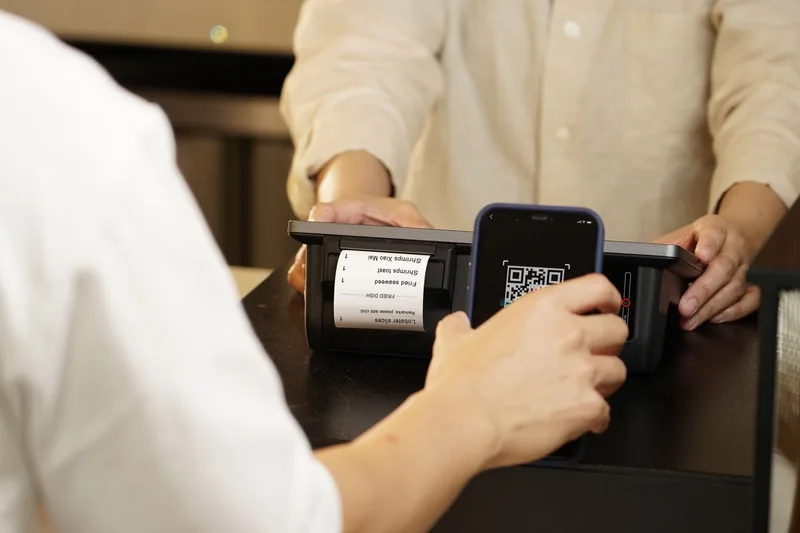
Philippine gateways sit outside those tools. Import each gateway’s settlement export so processing fees land in an expense account instead of shrinking your reported revenue. Our PayMongo review and Xendit Philippines breakdown cover how each one charges. Sellers who accept GCash through PayMongo can follow our GCash setup guide.
Intuit lists automated bank feeds on every plan. Ask your reseller which Philippine banks are supported, because a bank without a feed means CSV imports.
Will QuickBooks Meet the BIR’s E-Invoicing Deadline?
Not automatically. Under Revenue Regulations No. 26-2025, small, medium, and large e-commerce taxpayers, plus CAS and CBA users, have until December 31, 2026 to issue structured electronic invoices. Micro taxpayers are exempt. We found no confirmation that QuickBooks Online produces BIR-format e-invoices out of the box.
The deadline comes from BIR Revenue Regulations No. 26-2025, which amends RR 11-2025. It extends the compliance period to December 31, 2026 for e-commerce and internet-transaction taxpayers, and for taxpayers using CAS or CBA with invoicing software.
A PDF invoice will not count. BusinessWorld reports that a draft BIR circular requires an electronic invoice to come from registered, approved, or accredited software, in a structured format, issued electronically, and ready for transmission to the BIR. It also requires a QR code on every e-invoice. The circular was still in draft when that column ran.
LedgerQ says neither QuickBooks Online nor Xero is “designed around BIR books of account or the country’s e-invoicing rules out of the box.” Treat that as a vendor’s view. It matches our research, though: none of the Intuit Philippines pages we reviewed describes BIR e-invoice output.
Before you subscribe, ask your reseller in writing: will the invoices QuickBooks issues meet the BIR’s structured-format and QR code requirements by December 31, 2026, and who pays for the connector? If you might be a micro taxpayer, confirm your classification with your Revenue District Office.
How Much Does QuickBooks Cost in the Philippines?
Intuit loads live prices on its Philippines page, so we could not capture peso figures for every plan. A third-party comparison from Edamame put Simple Start near ₱1,650 a month in April 2026. Essentials adds bill management and multiple currencies. Plus adds inventory tracking. Confirm current rates at checkout.
| Plan | Users | What it adds | Monthly price (PHP) |
|---|---|---|---|
| Simple Start | 1 | Invoicing, automated bank feeds, customer management | About ₱1,650 (Edamame, April 2026) |
| Essentials | 3 | Bill management, multiple currencies | Live price at checkout |
| Plus | 5 | Inventory tracking, project management | Live price at checkout |
| Advanced | 25 | Custom reports, workflow automation | Live price at checkout |
Sources: plan users and features per Intuit’s Philippines pricing page, checked September 22, 2026. Simple Start price per Edamame’s comparison, an estimate rather than an Intuit quote.
The subscription is only part of the bill:
- Sync tool: Synder Basic costs USD 52 a month billed annually, or USD 65 billed monthly, for up to 500 transactions a month (Synder pricing page, checked September 2026).
- BIR setup: Quoted by your reseller or CPA. Budget 4 to 12 weeks for registration, per AccountaholicsPH.
- Billing currency: LedgerQ reports that QuickBooks Online is billed in foreign currency rather than pesos. Check the currency at checkout, because exchange-rate moves change your peso cost.
Xero’s Philippines pricing page also lists US dollars, and its Starter plan caps invoices at 20 a month.
Pick a plan by job, not price. Simple Start suits a solo seller with one login. Essentials fits a store that pays overseas suppliers, since it adds multiple currencies and bill management. Plus fits a seller who holds stock, because inventory tracking sits on Plus (per Intuit).

What Are the Pros and Cons of QuickBooks for Philippine Sellers?
Pros:
- Pre-filled VAT rates. QuickBooks calculates VAT on every invoice and expense, per Intuit.
- Accountant access on every plan. Your CPA can review your books directly, per Intuit.
- Inventory tracking on Plus. Stock counts live in the same file as your books, with no separate app.
- Multiple currencies from Essentials. Useful if you buy from overseas suppliers or sell across borders.
- Easy to learn. Edamame’s comparison calls it the “easiest to learn” option for non-accountants.
- 30-day free trial, no contract. Test it on a real month of payout exports before you commit.
Cons:
- Not BIR-registered out of the box. CAS or CBA registration runs through a reseller or CPA and may take 4 to 12 weeks, per AccountaholicsPH.
- No Shopee or Lazada connector. Payout reconciliation is manual, including the 1% withholding lines.
- No confirmed BIR e-invoicing output. The December 31, 2026 deadline makes this a question to settle before you buy.
- Foreign-currency billing risk. LedgerQ reports charges in foreign currency, so your peso cost can drift.
- Seat limits. Plans cap at 1, 3, 5, and 25 users. Edamame notes Xero includes unlimited users on all plans.
Verdict: Who Should Use QuickBooks in the Philippines?
QuickBooks fits you if:
- You sell through Shopify or your own site, hold stock, and want inventory tracking in the same file as your books (the Plus plan).
- Your accountant already works in QuickBooks. Their familiarity shortens setup.
- Your marketplace payouts are few enough to reconcile by hand, or you are ready to pay for a sync tool.
- You are willing to pay a reseller or CPA once to set up VAT, EWT, and BIR registration.
Look elsewhere if:
- Most of your revenue arrives as Shopee or Lazada payouts. The manual work grows with every order, and the 1% withholding adds a line to each one.
- You need e-invoices that meet the BIR’s structured-format and QR code rules by December 31, 2026, and your reseller will not confirm in writing that QuickBooks delivers them.
- You want books that are BIR-registered from day one. Ask local vendors exactly what their registration package includes.
The subscription is the smaller cost. The bigger costs are weeks of BIR registration and hours of payout reconciliation every month. Price those before you pick a plan.
For the criteria we use to compare Xero, QuickBooks, and other tools, see our ecommerce accounting software comparison. It is written for Malaysian sellers, so currency and tax rules differ from the Philippines.
Frequently Asked Questions
Is QuickBooks available in the Philippines?
Yes. Intuit runs a Philippines site with four QuickBooks Online plans: Simple Start (1 user), Essentials (3 users), Plus (5 users), and Advanced (25 users). Every plan has a 30-day free trial and no contract, per Intuit. VAT rates come pre-filled, but BIR book registration and withholding tax setup are separate jobs.
Is QuickBooks BIR-compliant in the Philippines?
Not out of the box. Businesses that use software for invoices or ledgers generally register it with the BIR as a Computerized Accounting System (CAS) or Computerized Books of Accounts (CBA). AccountaholicsPH says registration may take 4 to 12 weeks, and expenses from unregistered systems may be disallowed in an audit.
Does QuickBooks connect to Shopee and Lazada?
No native connector turned up in our research of Intuit’s Philippines pages or Synder’s pricing page, checked September 2026. Sellers import each marketplace’s payout report as a CSV file or journal entry. Since July 15, 2024, platforms also withhold 1% on half of gross remittances once a seller passes ₱500,000, so payouts never equal sales.
How much does QuickBooks cost in the Philippines?
Intuit loads live prices on its Philippines page, so peso figures vary by plan and promotion. A third-party comparison from Edamame put Simple Start near ₱1,650 a month in April 2026. A sync tool such as Synder adds USD 52 to USD 65 a month for 500 transactions, per its pricing page.